If you have spent any time looking at homes in Point Loma, you have probably noticed that no single look defines the neighborhood. One street may feature a stucco Spanish Revival home, while the next turns toward a cottage, a postwar modern property, or a newer view-driven residence. That variety can feel exciting, but it can also make it harder to understand what you are really seeing and how each style shapes daily living. This guide will help you read the architectural language of Point Loma homes so you can better evaluate charm, function, upkeep, and long-term fit. Let’s dive in.
Why Point Loma Feels Architecturally Layered
Point Loma is one of San Diego’s oldest communities, and its physical setting plays a major role in how homes look and live. The peninsula includes distinct areas such as Roseville, La Playa, Loma Portal, Sunset Cliffs, Wooded Area, Fleetridge, and Liberty Station, each shaped by different development periods and lot patterns.
The area’s narrow mesa, canyons, steep slopes, coastal bluffs, and protected view corridors have also influenced design over time. City planning guidance emphasizes preserving ocean and bay views, allowing for sea breezes, and shaping homes in ways that respond to the terrain rather than ignore it.
That is why Point Loma’s housing stock feels layered instead of uniform. In many cases, architectural style reflects not only design trends of a certain era, but also lot size, location, and access to views.
Spanish Revival in Point Loma
Spanish Colonial Revival is one of the most recognizable architectural styles in coastal San Diego. City historic context materials place its peak between 1915 and 1940, with especially strong popularity in the 1920s and 1930s.
In Point Loma, local planning documents specifically note that Loma Portal and Roseville are areas where Spanish and Mediterranean themes are common. That local fit gives these homes a strong sense of place, especially in older parts of the community.
Key Spanish Revival Features
Spanish Revival homes often include:
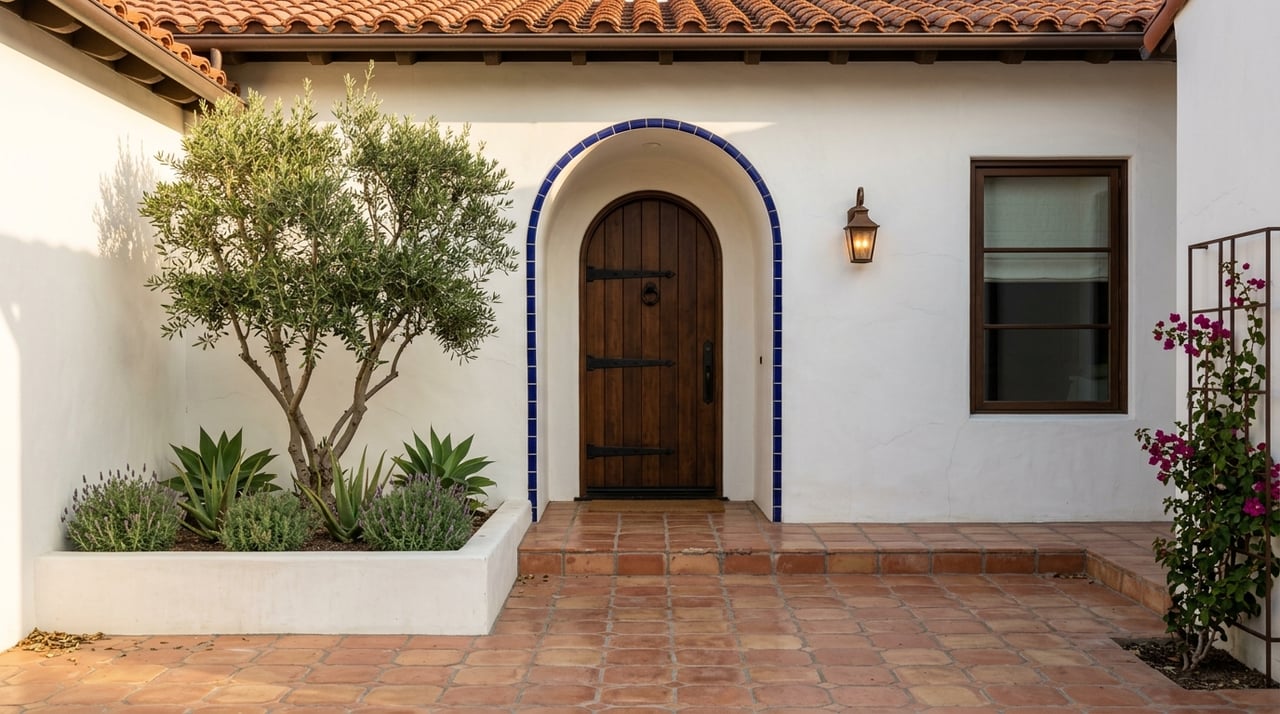
- Low-pitched or flat roofs with red clay tile
- Smooth stucco walls
- Arched windows or doorways
- Decorative ironwork
- Tile accents
- Balconies
- Asymmetrical facades
From the street, these homes often feel formal and expressive. Their design tends to focus more on entries, patios, wall surfaces, and ornament than on large expanses of glass.
How Spanish Revival Homes Live
Inside, Spanish Revival homes often feel more room-defined than newer open-plan properties. Courtyards, patios, and distinct living spaces can create a sense of privacy and separation that many buyers still value.
If you are drawn to character, this style often delivers it in a clear and memorable way. At the same time, the layout may feel less open than a modern home designed around wide sightlines and seamless indoor-outdoor flow.
What to Know About Upkeep
Maintenance in Spanish Revival homes often centers on stucco, tile roofs, wood windows and doors, and decorative ironwork. These materials can be part of the style’s appeal, but they also require attention over time.
If a property is designated historic or contributes to a historic district, exterior changes may require City review. For buyers and sellers alike, that means architecture is not only a design choice. It can also affect what changes are practical and what approvals may be needed.
Mid-Century Modern and Postwar Design
Point Loma is also part of San Diego’s modern design story. The City’s Modernism Historic Context Statement identifies Point Loma as a coastal area with custom residential work from the late 1940s through the 1970s, including post-and-beam homes and custom ranch designs.
This style often feels especially well matched to the peninsula’s hillside lots and view-oriented setting. In Point Loma, modern homes are often doing two jobs at once: capturing light and views while adapting to slope, bluff conditions, or irregular sites.
Key Mid-Century Modern Features
Common features include:
- Wide eaves
- Exposed beams
- Large windows
- Decks
- Natural materials
- Site-specific design
These homes usually place more visual emphasis on openness than ornament. Their appeal often comes from proportion, light, and the relationship between the structure and its surroundings.
How Mid-Century Homes Live
For many buyers, the main draw is the indoor-outdoor connection. Large windows, open common areas, and strong ties to decks or exterior spaces can make the home feel bright and connected to the coastal environment.
This style can also feel highly individual. Because many of these homes were designed to respond to a specific lot, they often have a custom quality that is hard to replicate in newer production housing.
What to Watch for in Maintenance
Older modern homes can require careful review. Larger glass areas, older roof assemblies, exposed structure, and deck connections may need closer attention, especially in a coastal setting.
As with Spanish Revival properties, historic designation can add review requirements before changes are made. If you are considering a remodel, the architectural style may shape both the scope of the work and the approval path.
Coastal Contemporary in Point Loma
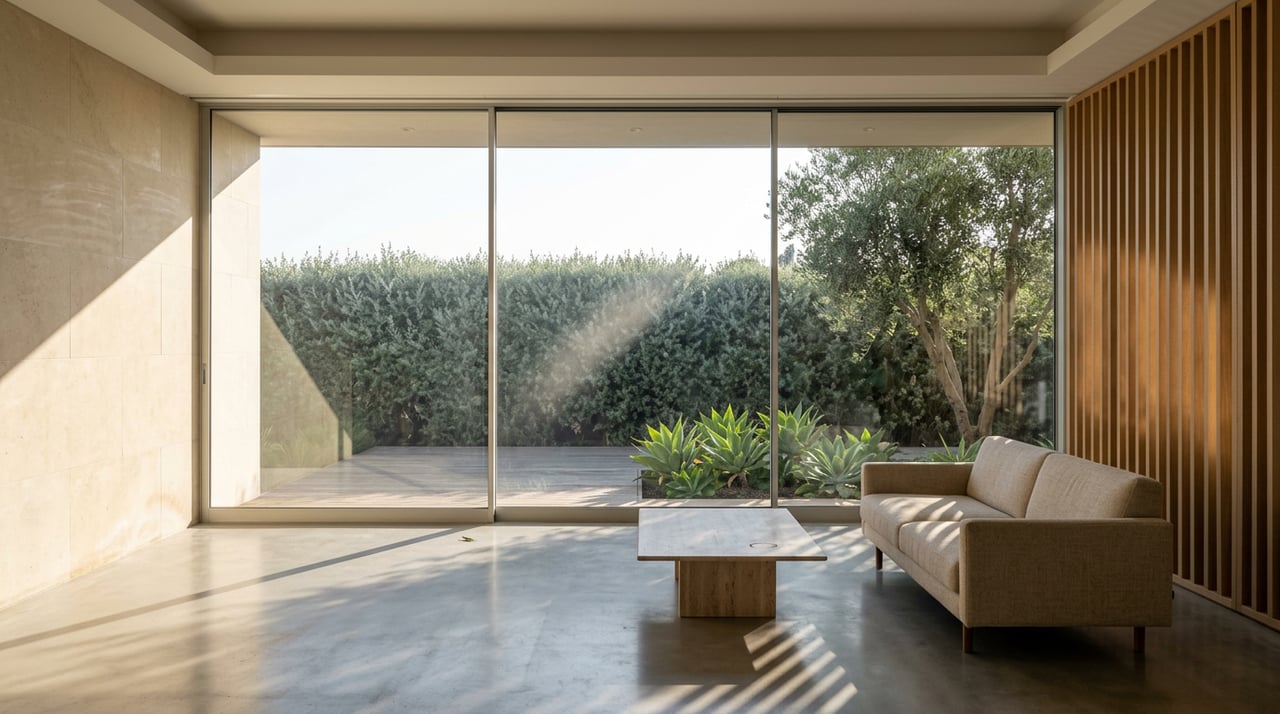
Coastal contemporary is less a fixed historic style and more a present-day design language. In Point Loma, it often shows up as a clean, view-driven response to the site, especially on lots where light, breezes, and outlook are central to the living experience.
The peninsula’s planning framework makes this style especially relevant. City guidance prioritizes preserved views, sea breezes, and building forms that step with the terrain, which aligns naturally with contemporary design principles.
Key Coastal Contemporary Features
In Point Loma, coastal contemporary homes often include:
- Clean lines and simple volumes
- Expansive glass
- Open interiors
- Minimal ornament
- Strong indoor-outdoor connections
- Layouts oriented around light and views
These homes tend to feel streamlined and current. Furnishing and daily use can feel more intuitive because the architecture is usually built around openness and flexibility.
How Coastal Contemporary Homes Live
If your lifestyle centers on entertaining, natural light, and visual connection to the outdoors, this style often supports that well. Spaces are usually arranged to maximize outlook, movement, and ease of use.
That simplicity is part of the appeal. Rather than relying on decorative detail, the home often depends on proportion, materials, and the quality of its setting.
What to Know About Ongoing Care
In a coastal environment, highly exposed exterior finishes, roof interfaces, and window seals may need regular attention. The design may look simple, but the performance of those details matters.
For buyers, that means it is wise to look beyond the clean lines and ask how the home handles weather exposure and site conditions. Good contemporary design is not only about appearance. It is also about how well the home is built for its location.
Classic Cottages and Bungalow Influence
Not every memorable Point Loma home is large or dramatic. Classic cottages, often best understood through the bungalow or Craftsman tradition, remain part of the area’s older residential fabric.
This smaller-scale housing type fits naturally within established parts of the peninsula. In a community with a long development history and a mix of preserved architectural styles, cottages continue to appeal to buyers who value charm, intimacy, and manageable scale.
Key Cottage Features
Classic cottages often include:
- Smaller scale, often one story
- Sloping roofs
- Verandas or porches
- Shade-giving eaves
- Broad gables in bungalow forms
- Simple, garden-oriented living patterns
These homes usually present less visual mass than larger estate properties. Their appeal often comes from proportion, warmth, and a strong connection to outdoor space.
How Cottages Live
Cottages tend to feel intimate and practical. They often suit buyers who care more about character and ease of living than maximum square footage.
They can also be a strong fit for owners who want an established Point Loma setting without the scale of a larger custom residence. In daily life, that often means simpler circulation, cozy common spaces, and a closer relationship to the yard or garden.
What to Expect With Maintenance
While cottages are usually simpler in form, they are not always lighter in upkeep. Older wood trim, windows, porches, and systems may need periodic repair or updates.
If a cottage is individually designated or part of a historic district, exterior work may be subject to City historical-resources review. That makes due diligence especially important when you are evaluating renovation plans.
How Architecture Affects Buying Decisions
In Point Loma, style is not just about appearance. It shapes how a home lives, how it relates to the site, and what ownership may involve over time.
A Spanish Revival home may offer rich character and defined spaces. A mid-century modern home may prioritize openness, daylight, and custom site response. A coastal contemporary home may deliver clean simplicity and strong view orientation. A classic cottage may offer older charm and manageable scale.
When you tour homes, it helps to ask a few practical questions:
- How does this style support the way you want to live?
- How much maintenance comes with its materials and age?
- Is the home on a view lot, slope, or bluff-sensitive site?
- Could historic status affect future changes?
- Does the layout reflect the home’s era in ways you enjoy?
These questions can help you move beyond first impressions. In a neighborhood as varied as Point Loma, architectural clarity gives you an advantage.
What Sellers Should Keep in Mind
If you are preparing to sell a Point Loma home, your property’s architectural style is part of its market story. Buyers often respond strongly when a home’s original character is clear and well maintained.
That does not always mean large changes are needed. In many cases, thoughtful presentation helps buyers understand what makes the home distinctive, whether that is Spanish detailing, mid-century lines, cottage charm, or contemporary view-focused design.
For sellers, the goal is to position the home with precision. When the architecture, site, and lifestyle benefits are presented clearly, buyers can connect the property’s design to the way they want to live.
Point Loma rewards that kind of nuanced reading. If you want strategic guidance on buying or selling a distinctive coastal property, Yoanny Jose offers discreet, tailored representation grounded in local market insight.
FAQs
What architectural styles are common in Point Loma homes?
- Point Loma homes commonly reflect Spanish Revival, mid-century modern and other postwar modern design, coastal contemporary design, and classic cottage or bungalow-influenced architecture.
What defines a Spanish Revival home in Point Loma?
- A Spanish Revival home in Point Loma often features stucco walls, red clay tile roofs, arches, ironwork, tile accents, and a more courtyard-oriented, room-defined layout.
Why do Point Loma homes have so much architectural variety?
- Point Loma’s variety comes from its age, distinct neighborhoods, changing development eras, varied lot sizes, and a coastal hillside setting shaped by bluffs, slopes, view corridors, and sea breezes.
What should buyers know about historic homes in Point Loma?
- Buyers should know that designated historic properties, or homes contributing to a historic district, may require City review for exterior changes, which can affect remodeling plans and timelines.
How do mid-century modern homes in Point Loma differ from Spanish Revival homes?
- Mid-century modern homes in Point Loma usually emphasize openness, large windows, exposed structure, and site-specific design, while Spanish Revival homes often emphasize ornament, enclosed rooms, and courtyard-style living.
Are coastal contemporary homes in Point Loma easier to live in?
- Coastal contemporary homes often feel easy to live in because of open layouts, large windows, and strong indoor-outdoor flow, but they may still require close attention to exposed finishes, seals, and roof details in the coastal environment.
What makes a cottage-style home attractive in Point Loma?
- A cottage-style home in Point Loma often appeals because of its smaller scale, charm, porch or garden connection, and a sense of warmth and manageability within an established neighborhood setting.
About Yoanny Jose
Yoanny Jose is a San Diego Coastal Luxury Real Estate Advisor specializing in La Jolla, Del Mar, Coronado, Rancho Santa Fe, Point Loma, and San Diego's most prestigious coastal communities. She advises buyers, sellers, investors, and international clients with strategic market insight and personalized representation.