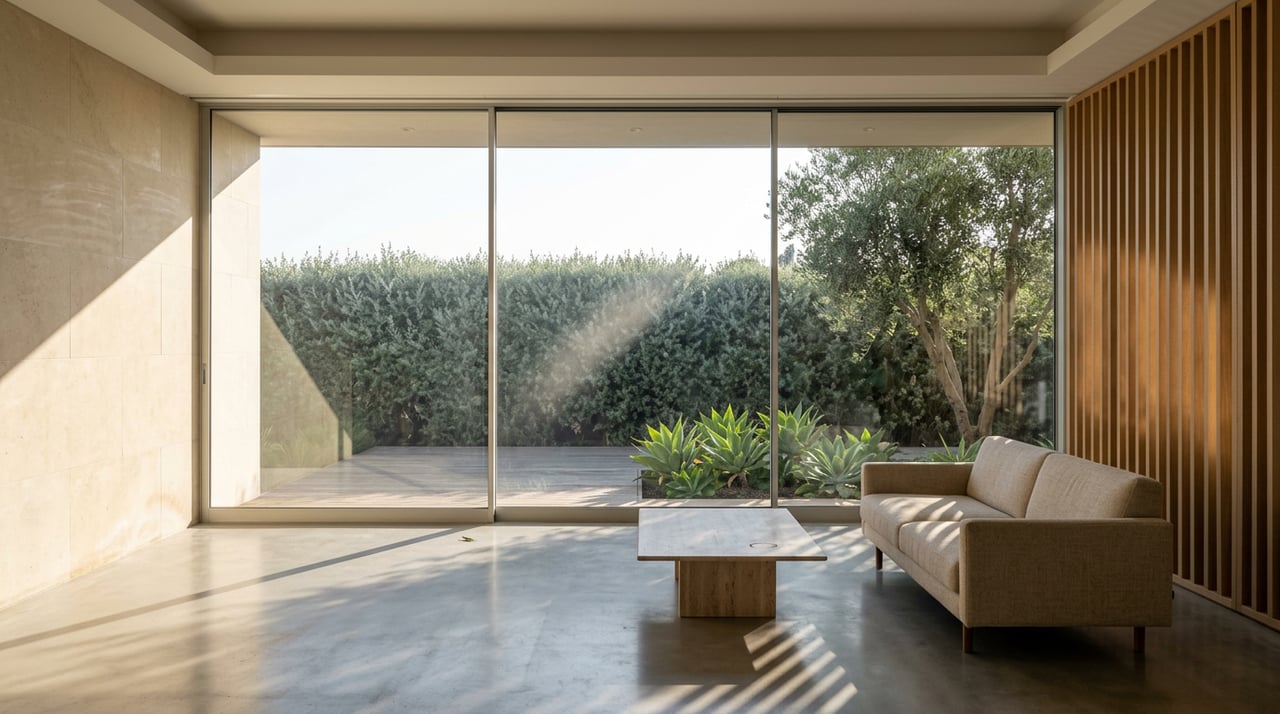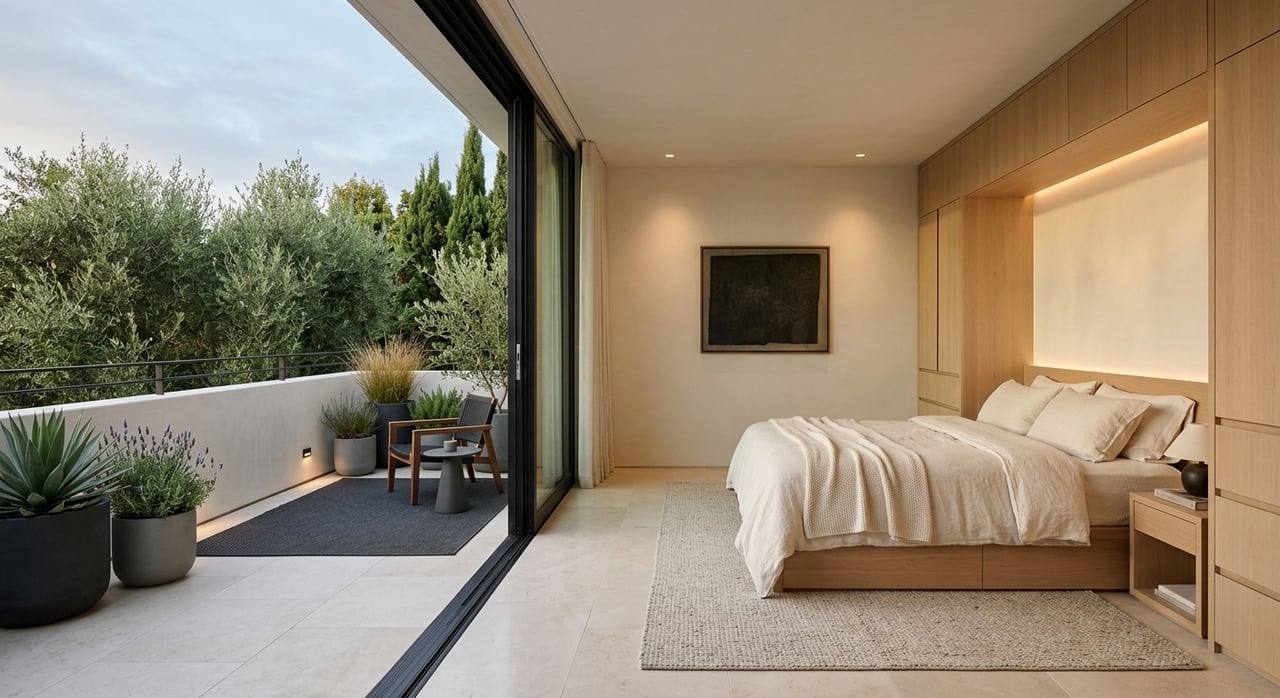
A second home should feel like a retreat, not a second full-time job. If you are considering Del Mar, you are likely looking for more than just coastal scenery. You want ease, rhythm, and a property that supports how you actually live. In Del Mar, that means understanding both the lifestyle draw and the practical realities of ownership so you can buy with clarity. Let’s dive in.
Why Del Mar Fits Second-Home Living
Del Mar offers a rare mix of coastal charm and everyday convenience in a very small footprint. The city covers about 2.2 square miles and has a population of roughly 4,331 people, which helps explain its intimate, village-like feel. For many second-home buyers, that scale is part of the appeal.
The city describes Del Mar as a seaside village with a pedestrian-friendly downtown, beaches, parks, trails, and a compact village core with restaurants and services. In practical terms, that means your second home can function more like a true getaway. You can arrive, settle in quickly, and spend more time enjoying the area instead of navigating a sprawling routine.
Another advantage is that Del Mar blends residential life with a hospitality-driven coastal rhythm. The city includes primarily single-family neighborhoods, a small downtown village, six hotels, and the State Fairgrounds. That combination gives the area a polished, active feel without losing its residential character.
What Daily Life Feels Like
A second home works best when it is easy to use on short notice. Del Mar supports that kind of ownership because many of its amenities are close together. The city notes that visitors and residents can experience Del Mar Village without needing a car, with shops, restaurants, boutique hotels, and services within walking distance.
That walkability matters if you want low-friction weekends. You can arrive on a Friday, head out for dinner, spend the next morning by the water, and host guests without planning every movement around traffic or parking. For many buyers, that convenience is just as valuable as ocean views.
The outdoor lifestyle is also central to Del Mar’s appeal. According to the city, Del Mar Beach stretches more than two miles and supports walking, running, and relaxing. Powerhouse Park, Seagrove Park, Crest Canyon trails, Scripps Bluff Preserve, and the San Dieguito River Lagoon all add to the area’s active coastal setting.
Seasonal Rhythms to Know
Del Mar is not the same in every season, and that is important when you are buying a second home. The coastal climate creates distinct patterns that shape how and when you may use the property. Understanding those rhythms helps you match your expectations to reality.
The National Weather Service notes that late spring and early summer often bring cool, foggy mornings along the coast, commonly known as May Gray and June Gloom. Winter can also bring rain, wind, large surf, thunderstorms, and occasional flooding. So while Del Mar is known for beach living, it is still a place with changing coastal conditions.
The busiest stretch of the year is driven by both weather and events. The San Diego County Fair is scheduled for June 10 through July 5, 2026, and the Del Mar Thoroughbred Club’s 2026 season runs from July 17 through September 7, with a fall meet from November 6 through November 29. The city’s calendar also includes Summer Solstice in June, Twilight Summer Concerts from June through September, Taste of Del Mar in September, and a weekly Saturday farmers market.
For you, that means late spring through early fall often brings the most activity. If you want a home for seasonal entertaining, race-season weekends, or beach-centered escapes, Del Mar aligns well with that lifestyle. If you prefer quiet off-season stays, you may also appreciate the slower winter stretches.
Lock-and-Leave Appeal
Many second-home buyers want a property that is easy to leave and easy to return to. Del Mar supports that pattern better than many larger coastal communities because so much of daily life is concentrated in a compact area. The city’s service structure also helps support a lower-maintenance ownership experience.
Public Works maintains water, wastewater, streets, drainage, pedestrian paths, bike lanes, signage, traffic signals, trees, landscaping, open spaces, and beach maintenance. Community Services oversees lifeguard services, parking and beach enforcement, and permits for parks, beach areas, and public facilities. Those local systems matter when you are evaluating how manageable a part-time residence may feel.
This does not mean every property will be equally easy to own from afar. It does mean Del Mar has the civic framework that supports regular seasonal use, weekend escapes, and planned time away. Buyers often prioritize homes that are straightforward to secure, reopen, and maintain between visits.
Parking and Guest Logistics
Parking may sound like a minor detail until you own a second home in a high-demand coastal market. In Del Mar, it is worth thinking through early, especially if you plan to host family or friends. A beautiful property can feel less convenient if access becomes complicated during busy periods.
The city created a Downtown Parking Management Plan to improve efficiency in high-demand village areas. It added 140 public parking stalls at the Civic Center and increased bicycle parking. The North Beach area also has free parking on many neighborhood streets and several hundred free spaces within two blocks of the beach.
The key takeaway is simple. Parking is manageable, but it should be part of your property selection process. If you expect frequent guests, event-season use, or easy beach access, parking configuration and location deserve close attention.
Travel Access Matters
A second home is only as convenient as your ability to reach it. Del Mar benefits from straightforward regional access, which is one reason it works well for part-time ownership. You can enjoy a village setting without feeling disconnected.
The city identifies Camino Del Mar and Jimmy Durante Boulevard as the main north-south corridors, with access from Interstate 5 via Del Mar Heights and Via de la Valle. Public transit also serves the area, including Route 101 along Camino del Mar. The Solana Beach Transit Center is about 1.2 miles away, and San Diego International Airport remains the region’s primary commercial airport.
That combination supports a flexible ownership pattern. Whether you are arriving for a long weekend or coordinating guest visits, Del Mar is relatively easy to access within the broader coastal San Diego network.
Coastal Risk Should Shape Your Search
In Del Mar, location choice is not just about views or proximity to the beach. Coastal resilience is a real planning issue, and thoughtful buyers should treat it as part of the search process. This is especially important for beachfront and bluff-top properties.
The city has adopted Local Coastal Program amendments and a sea-level-rise planning framework. It identifies beach-front and bluff-top residences, roads, storm drains, wastewater and utility systems, commercial areas, the racetrack and fairgrounds, public beach segments, and the rail corridor as potentially vulnerable to sea-level-rise-related impacts.
That does not mean you should avoid Del Mar. It means you should evaluate each property with care. In this market, a disciplined second-home search looks beyond the obvious appeal and considers long-term exposure, municipal planning, and how a specific location may perform over time.
What Buyers Often Value Most
Del Mar tends to work best for buyers who want convenience, coastal access, and a refined routine. It is less about large-lot seclusion and more about ease of use. If your ideal second home is one you can lock, leave, and enjoy with minimal friction, Del Mar stands out.
You may be a strong fit for this market if you value:
- Walkable access to dining, shops, and the beach
- A compact village setting with a polished coastal feel
- Seasonal use tied to summer events and outdoor living
- Easy regional access for short stays and guest visits
- A home that supports a simple, elegant ownership pattern
In other words, Del Mar is compelling when your goal is not just ownership, but usability. The setting supports a lifestyle built around short escapes, wellness, entertaining, and time by the coast.
A Strategic Approach to Buying
Buying a second home in Del Mar requires more than falling in love with the setting. You also need to weigh seasonality, parking, travel access, and coastal planning issues at the property level. The right purchase is often the one that aligns most closely with how you will actually use the home.
That is where local strategy matters. A measured search can help you focus on homes that fit your timing, privacy preferences, and ownership goals. It can also help you identify opportunities that support a smooth, low-friction experience from day one.
If you are considering a second home in Del Mar, working with a trusted local advisor can help you evaluate not only what looks appealing, but what makes sense long term. For discreet, tailored guidance in coastal San Diego, connect with Yoanny Jose.
FAQs
What makes Del Mar appealing for a second home?
- Del Mar offers a compact coastal setting with walkable dining, beach access, parks, trails, and a village core that can be enjoyed without relying heavily on a car.
What is the seasonal lifestyle like for second-home owners in Del Mar?
- Del Mar often feels most active from late spring through early fall, when village events, the County Fair, racing season, and beach use overlap, while winter can bring quieter periods and occasional storms.
What should buyers know about weather in Del Mar before buying a second home?
- Coastal weather includes cool, foggy mornings in late spring and early summer, plus winter periods with rain, wind, large surf, thunderstorms, and occasional flooding.
Is Del Mar easy to manage as a lock-and-leave property?
- Del Mar can work well for lock-and-leave ownership because of its compact layout, walkability, and city services that support streets, utilities, beach maintenance, public spaces, and related infrastructure.
How important is parking when owning a second home in Del Mar?
- Parking is an important practical factor, especially during busy periods or when hosting guests, so buyers should look closely at location, access, and nearby public parking options.
What transportation options support second-home living in Del Mar?
- Del Mar has access from Interstate 5, local transit service including Route 101, proximity to the Solana Beach Transit Center, and regional access through San Diego International Airport.
Why does coastal resilience matter when buying a second home in Del Mar?
- The city has identified certain beachfront, bluff-top, and infrastructure areas as potentially vulnerable to sea-level-rise-related impacts, so property selection should include a careful review of location-specific exposure.
Who is the ideal buyer for a second home in Del Mar?
- Del Mar tends to suit buyers who value convenience, walkability, coastal recreation, seasonal entertaining, and a refined, low-friction ownership experience.
About Yoanny Jose
Yoanny Jose is a San Diego Coastal Luxury Real Estate Advisor specializing in La Jolla, Del Mar, Coronado, Rancho Santa Fe, Point Loma, and San Diego's most prestigious coastal communities. She advises buyers, sellers, investors, and international clients with strategic market insight and personalized representation.