In the early 1970s, a developer floated a plan that would have leveled the Hotel del Coronado. The idea did not sit well with State Senator James R. Mills, who had lived on the island long enough to know what the building meant to it. Mills responded the way legislators do: he wrote a law. The result, passed in 1972, let cities offer property tax relief to owners of historic buildings in exchange for a binding promise to preserve them. He named it after himself, almost by accident of authorship, and the Mills Act has been protecting old buildings across California ever since, the Del included.
More than fifty years later, that same law shows up as a single line on real estate listings up and down Ocean Boulevard and through the Coronado village grid: Mills Act Agreement in place. It reads like a coupon. It is not one. And the gap between how that line is marketed and how the tax math actually works is the thing most buyers comparing a historic Coronado property against a newer one never think to ask about until the closing numbers come back different than they expected.
What the yard sign doesn't calculate
The pitch sounds simple: a home with a Mills Act contract saves its owner something like 20 to 70 percent on property taxes, a range the San Diego County Assessor's own guidance confirms. What that pitch skips is how the number gets produced. A Mills Act property isn't assessed the way every other home in Coronado is, by comparing it to recent sales. Instead, the county assessor treats it as a rental, pricing the home each year based on what it could reasonably earn in rent, then working backward to a taxable value from that income figure.
That distinction matters more than it sounds like it should. A comparable-sales assessment moves with the market and, for a new buyer, resets hard to the purchase price. An income-approach assessment moves with rental comparables instead, which barely budge year to year even when sale prices spike. So the "70 percent savings" a current owner enjoys was calculated against their purchase price years ago. A new buyer stepping in today at a materially higher price is not walking into that same discount. They are walking into whatever discount the rental-based formula produces against a much bigger number, and the percentage often shrinks accordingly.
The gap between the advertised range and Coronado's own ceiling
There is a second layer buyers rarely see spelled out. The 20 to 70 percent figure that gets quoted everywhere is the countywide range across every California jurisdiction that participates in the Mills Act. Coronado's own program document tells a narrower story.
| Range typically quoted | What Coronado's own paperwork says | |
|---|---|---|
| Source | County Assessor's general Mills Act guidance | City of Coronado's Mills Act application, per City Council Resolution No. 8524 |
| Stated savings | 20% to 70% | Up to 50%, "however it may be less than 50%" |
| Who it excludes | Not addressed | Owners whose Prop 13 basis is already low may see no Mills Act benefit at all |
That third row is the one worth sitting with. Coronado has a lot of long-held family homes, and an owner who bought decades ago under Proposition 13 may already be paying so little in property tax that a Mills Act contract produces essentially nothing for them. The people who benefit most tend to be recent buyers who purchased near current market value, which is precisely the position the next buyer will also be in, at whatever the market has moved to by the time they close.
The paperwork nobody mentions until the offer is in
There is also a process detail that surprises buyers who assume a historic plaque and a Mills Act contract are the same filing. They aren't. Coronado requires a home to first earn historic designation through its own Historic Preservation Program, a separate application judged against criteria like architectural distinctiveness or association with a significant person or event. Only after that designation is secured can an owner apply for the Mills Act contract itself, and that second application requires its own pre-application conference with the city before it goes anywhere near a public hearing.
Coronado's Historic Resource Commission had approved roughly 150 properties for designation as of a few years ago, and a March 2026 analysis of county assessor data puts the number of properties currently under active Mills Act contract on the island at closer to 200, a jump that tracks with how much more visible the program has become in local listings recently. That same analysis put total Mills Act savings across San Diego County at roughly $29 million, with Coronado's own contracts accounting for a meaningful share of that figure alongside better-known beneficiaries like the Spreckels Building downtown.
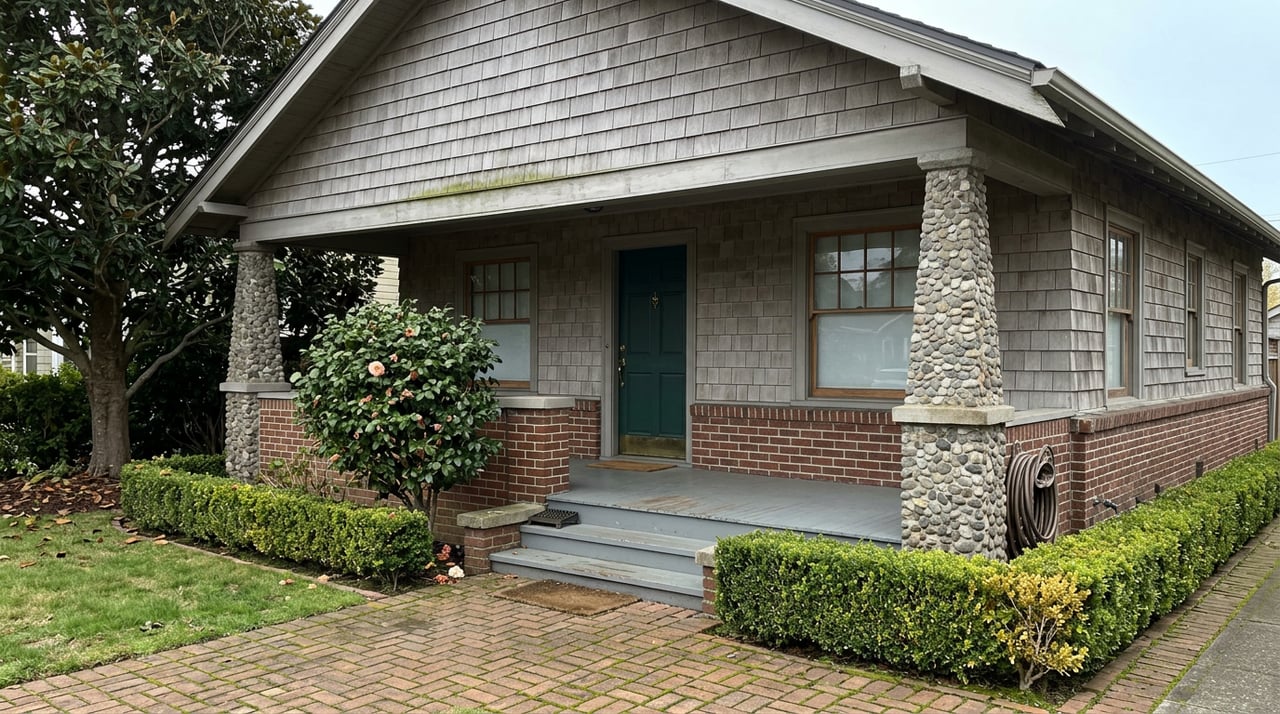
One of the properties named in that accounting is Crown Manor at 1015 Ocean Blvd, built in 1902 and one of the more storied addresses on the island. The Coronado Historical Association's own records confirm it carries both a historic designation and a Mills Act Agreement, sitting in a residential zone the association has fought hard to keep purely residential. It is a useful illustration precisely because it shows the ceiling of what the program covers. Even a landmark-caliber estate goes through the same two-step filing and the same annual rent-based recalculation as a modest Craftsman a few blocks inland.
"Historically designated properties are a key component of Coronado's character," the city's own planning staff has noted, a sentiment the Historical Association has echoed in defending the residential character of the neighborhoods around properties like Crown Manor.
What a buyer actually inherits
A Mills Act contract runs for a minimum ten-year term, and it does not reset or expire at closing. It transfers with the property, which is good news for continuity but comes with an obligation the listing sheet rarely spells out in full. Any exterior modification to a Mills Act property triggers a Historic Resource Alteration Permit review, judged at a public hearing against the Secretary of the Interior's Standards for the Treatment of Historic Properties. Buyers who picture swapping out a window style or adding a dormer after closing should plan on that review process being part of the cost of ownership, not an afterthought.
Coronado's own GEM Awards program, now in its second decade, exists specifically to recognize owners who choose careful restoration over replacement, which tells you something about how seriously the city treats the preservation half of this bargain. The tax break is the incentive. The oversight is the price of admission.
The question worth asking before the number changes your offer
None of this makes a Mills Act home a bad purchase. It makes the advertised percentage a starting point for a conversation rather than a guaranteed line item in your own budget. A serious buyer comparing a historic Coronado property against a non-historic one should ask the seller's agent for the property's current assessed value under contract, not just the stated percentage discount, and run their own likely purchase price through that same rent-based math before letting the Mills Act line move their offer.
Does the Mills Act discount transfer automatically to a new buyer? The contract transfers, since it runs with the property rather than the owner. The dollar amount of savings does not transfer at the same rate, because the county recalculates the assessed value annually using the rent-based formula, and a higher purchase price changes what that formula produces.
Can a Mills Act contract be broken? The agreement is a legal contract with the city, not a benefit an owner can simply opt out of once granted, and it is designed to run continuously in ten-year terms.
Does every historic home in Coronado have a Mills Act contract? No. Historic designation and a Mills Act Agreement are two separate applications, and a property can carry the historic designation without ever applying for the tax contract that goes with it.
Historic Coronado real estate rewards the buyer who does the arithmetic before the offer, not after the assessor's letter arrives. If you are weighing a Mills Act property against a comparable non-historic listing, or trying to understand what a specific contract will actually mean for your own tax bill, YJ Luxury Realty can walk through the assessor's formula with you line by line before you write a number down. Request a Private Consultation to start that conversation.