Is your next move in Del Mar a ground-up build or a major coastal remodel? In 92014, the best projects do more than capture the view. They protect comfort, health, and long-term value in a marine climate with strict coastal rules. In this guide, you’ll learn what is trending in luxury new builds, what it means for your design and budget, and how to navigate timelines confidently. Let’s dive in.
What luxury buyers want in 92014
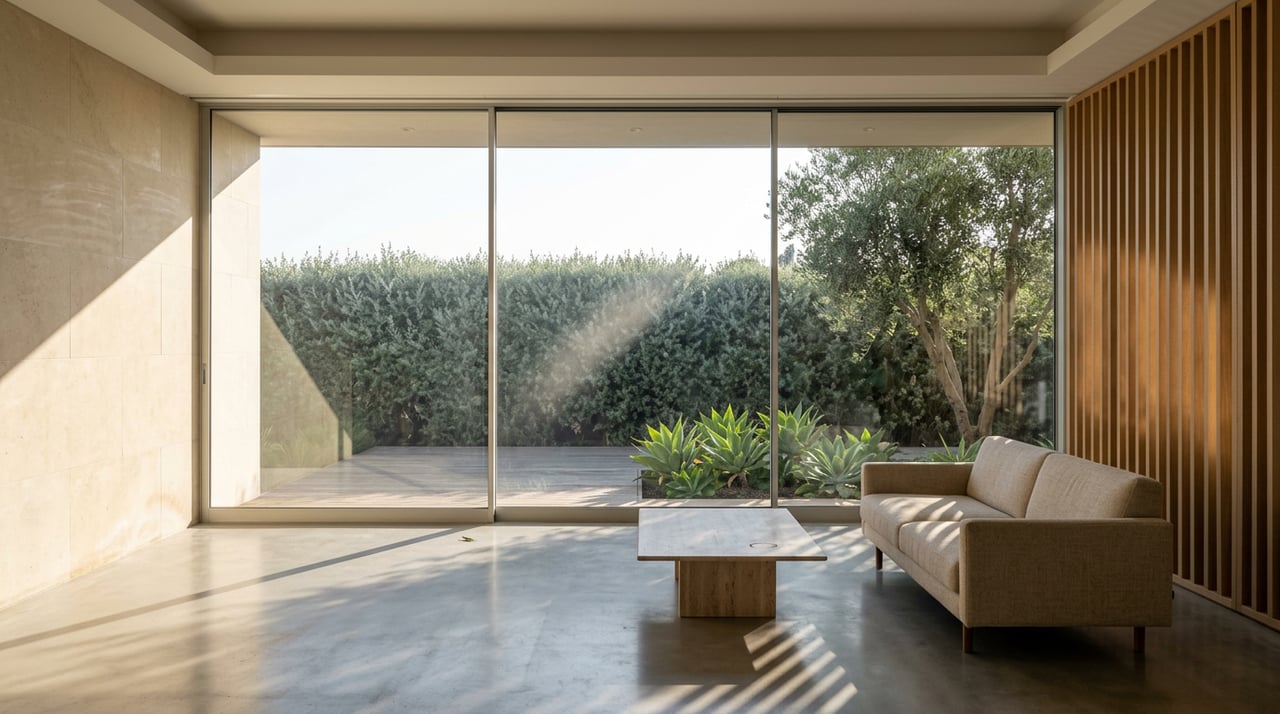
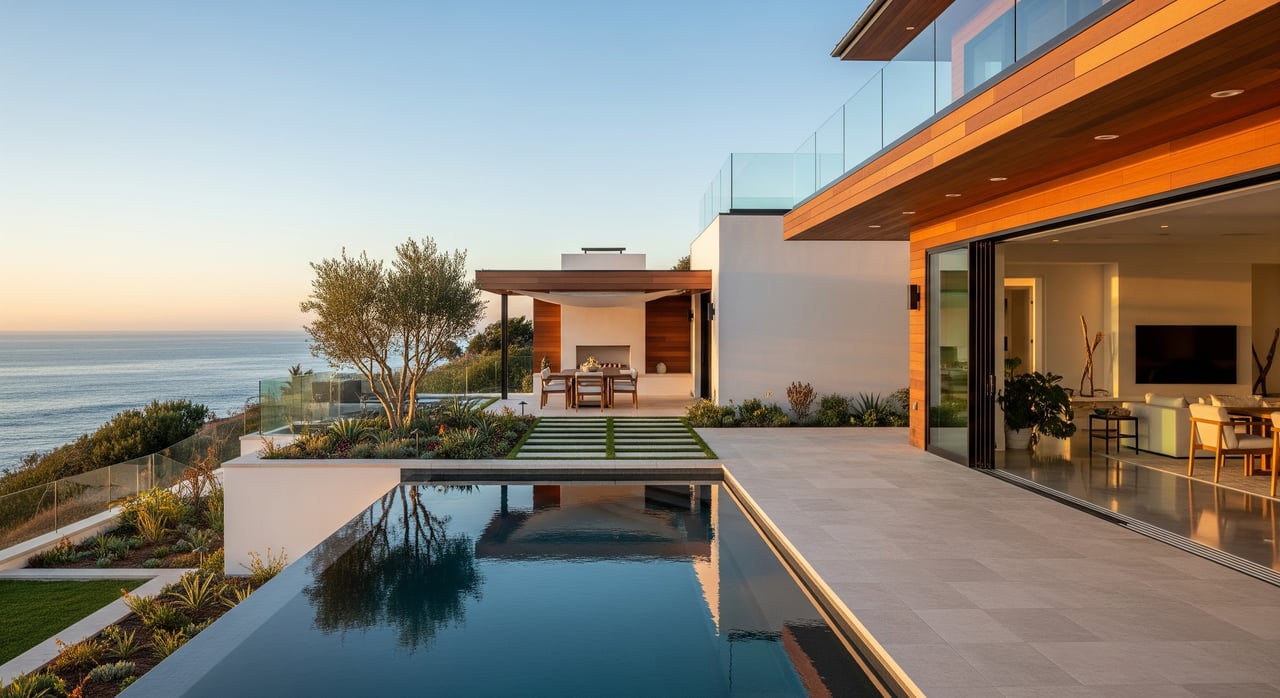
Indoor-outdoor living with seamless glass
Large sliding, pocketing, or folding glass walls are a hallmark of Del Mar luxury. They open living areas to terraces, pools, and ocean breezes. To make them truly seamless, designers use continuous floor planes, recessed tracks, and flush thresholds that reduce trip hazards and help control water.
These spans require careful structural planning for seismic and wind loads. You should expect an architect and structural engineer to coordinate early. There is also a comfort trade-off. More glass means more sun and glare, so most homes add operable screens and motorized shades to balance daylight and heat.
Wellness suites and health-first interiors
Wellness is now a core feature, not a bonus. Spa-level primary baths often include steam or infrared saunas, radiant-heated floors, and dedicated recovery or yoga rooms. Behind the scenes, many homes add HEPA or MERV-13-plus filtration, ERV or HRV systems for controlled fresh air, and whole-house water filtration. Some owners look to the WELL Building Standard for guidance on sleep, air, and lighting. In practice, you get better air quality, quieter bedrooms, and lighting that supports natural rhythms.
Advanced coastal glazing that performs
Coastal homes rely on high-performance windows to keep the view while controlling heat and sound. Look for NFRC ratings for U-factor and SHGC to understand thermal performance, and consider ENERGY STAR qualified products. Laminated glass can improve safety and reduce noise. Frames and hardware should be specified for salt-air resistance, and installers should follow AAMA and WDMA guidance for coastal conditions.
Landscape and view-framing lighting
Landscape design in Del Mar does more than light paths. Low-glare, warm LED layers can frame the ocean at night while protecting dark skies. Many owners integrate path, step, soffit, and accent lighting into scenes controlled by smart systems. Downward-shielded fixtures and careful aiming help reduce spill light and protect native wildlife.
Smart home integration for real life
Luxury builds increasingly centralize control of climate, lighting, shades, pool and spa, security, and even glazing tint. Professionally integrated platforms or open protocols allow custom scenes like “view mode” or “wellness mode.” The result is simple, intuitive control that supports how you live day to day.
Designing for the coast
Bluff setbacks and geotechnical due diligence
If your site sits near the bluffs, plan for geotechnical studies early. Setbacks from the cliff edge depend on local policy, erosion rates, and a conservative design life. Projects must address stability and sea-level rise over time. These requirements influence where you can build, how you access the beach, and whether retaining walls or stairs trigger added review.
Materials that resist salt air
Salt air is relentless. Successful coastal specs use marine-grade or powder-coated metals, stainless fasteners, corrosion-resistant composite decking, and coastal-rated fenestration. Plan for sealed or painted interfaces and hardware choices that stand up to salt. Expect maintenance cycles for metalwork, window seals, and coatings. A good team will hand you an owner’s manual for upkeep.
Envelope, energy code, and seismic design
California’s Title 24 energy code sets strong baselines for envelope and systems. High-end builds often exceed it with passive shading, efficient HVAC zoning, solar, and battery storage. Structural design follows the California Building Code and accounts for large glass walls, big spans, and seismic forces. Early integration between architect, engineer, and builder helps avoid redesigns later.
Drainage and hardscape that protect value
Hardscape and drainage planning is critical on coastal lots. Terraces, stairs, and roof runoff need well-designed paths that avoid concentrating water near bluffs. Permeable paving and infiltration can help where feasible. Good drainage protects both the site and your investment.
Permitting and timeline reality in Del Mar
Typical steps to expect
- Pre-application meetings with local planning staff are smart. They surface constraints early.
- Design review and neighborhood outreach may be required depending on location and scope.
- Coastal Development Permits and related environmental reviews often apply, especially near the bluffs.
- Building permit submissions include architectural, structural, MEP, and energy documentation.
- Plan checks involve city review cycles and revisions.
- Permits are issued, then inspections occur during construction.
How long it usually takes
Plan for a range, not a single date. Early design and pre-application steps often take 1 to 3 months. Coastal entitlements can add many months. Projects that require Coastal Commission review or mitigation commonly take 6 to 12 months or more on the entitlement side alone. Building permit plan checks often run 2 to 6 months. Custom luxury builds typically need 12 to 24 months of construction after permits. From first sketches to move-in, a complex coastal new build in 92014 can reasonably span 12 to 36 months.
Common delays and how to avoid them
- Incomplete plan sets lead to extra plan-check cycles. Insist on full, coordinated drawings before submission.
- Added studies or mitigation requests arise without early due diligence. Start geotech and environmental reviews upfront.
- Appeals or added conditions from coastal reviewers can extend timelines. Build in schedule buffers and keep outreach proactive.
- Site soils or slope instability drive redesigns. Complete thorough subsurface investigations before finalizing structure and footprint.
- Specialty materials like custom glazing or marine-grade metals have long lead times. Order critical items early and confirm supplier capacity.
Specs that pay off in Del Mar
Windows and shading that work together
- Select fenestration with NFRC-labeled U-factor and SHGC that suit each orientation.
- Use laminated glass where you want added safety and acoustic control.
- Specify coastal-grade frames and stainless or protected hardware.
- Combine exterior shading, overhangs, and operable screens with interior shades to control glare and heat more effectively than interior shades alone.
HVAC, filtration, and water quality
- Multi-zone HVAC paired with ERV or HRV supports fresh air and efficiency.
- Higher-grade filtration such as HEPA or MERV-13-plus helps remove fine particulates.
- Wellness rooms with steam or sauna require dedicated exhaust and make-up air.
- A point-of-entry filtration system can improve water quality throughout the home.
Acoustic comfort and sleep quality
- Bedroom walls and ceilings can be designed for sound control so surf and street noise fade.
- Laminated glass helps reduce exterior noise.
- Smart controls can set quiet nighttime lighting and temperature scenes to support sleep.
Buyer checklist for 92014 new builds and remodels
Use this short list to keep your process on track:
- Confirm if the property sits in the Coastal Zone and whether a Coastal Development Permit applies.
- Budget early for geotechnical and bluff-stability studies on or near the bluffs.
- Ask your architect and builder for coastal project references and long-term maintenance strategies.
- Require window and door spec sheets showing NFRC ratings, AAMA classification, and coastal-grade finishes.
- Verify hardscape and drainage plans that avoid undermining bluff stability and meet stormwater rules.
- Request a preliminary permitting timeline and identify potential referral agencies that may review the project.
Is a remodel smarter than a new build?
It depends on scope and site. Remodels can be simpler if you avoid expanding the footprint or changing grades. That can reduce the level of coastal review and shorten timelines. If you plan to add very large openings, major structural changes, or you are near the bluffs, expect many of the same geotechnical and coastal requirements as a new build.
A practical approach is to align your wish list with site constraints early. If the existing structure and location serve your goals, a targeted remodel can deliver indoor-outdoor living and wellness upgrades faster. If the layout or siting cannot meet your vision, a new build may be the clean path to a high-performance result.
Putting it all together
The best Del Mar projects pair breathtaking design with coastal resilience. Large glass walls, wellness suites, smart systems, and refined lighting can live alongside energy performance, seismic strength, and materials that resist salt air. The key is disciplined planning. Start with due diligence, align the team early, and set a realistic schedule that respects coastal review.
If you want a discreet, high-touch partner as you evaluate sites, architects, and the path to permits, connect with Yoanny Jose for bespoke buyer representation and market intelligence in 92014.
FAQs
How long do Del Mar coastal permits take?
- Complex coastal entitlements often add many months, and projects that involve the Coastal Commission commonly require 6 to 12 months or more before building permits.
Are big glass walls inefficient in 92014 homes?
- Not necessarily. High-performance glazing with the right NFRC ratings, effective exterior shading, and integrated HVAC can deliver comfort and meet or exceed Title 24.
What materials last in the salt air near Del Mar bluffs?
- Marine-grade or powder-coated metals, 316 stainless fasteners, coastal-rated windows and doors, and corrosion-resistant decking reduce maintenance and extend life.
What drives the total timeline for a luxury new build?
- Entitlements and reviews, plan-check cycles, specialty materials with long lead times, and construction complexity. Expect 12 to 36 months from concept to completion.
Is a remodel easier than a new build near the bluffs?
- It can be if you avoid expanding footprints or changing grades. Large openings or structural changes may still trigger geotechnical and coastal reviews similar to a new build.
About Yoanny Jose
Yoanny Jose is a San Diego Coastal Luxury Real Estate Advisor specializing in La Jolla, Del Mar, Coronado, Rancho Santa Fe, Point Loma, and San Diego's most prestigious coastal communities. She advises buyers, sellers, investors, and international clients with strategic market insight and personalized representation.