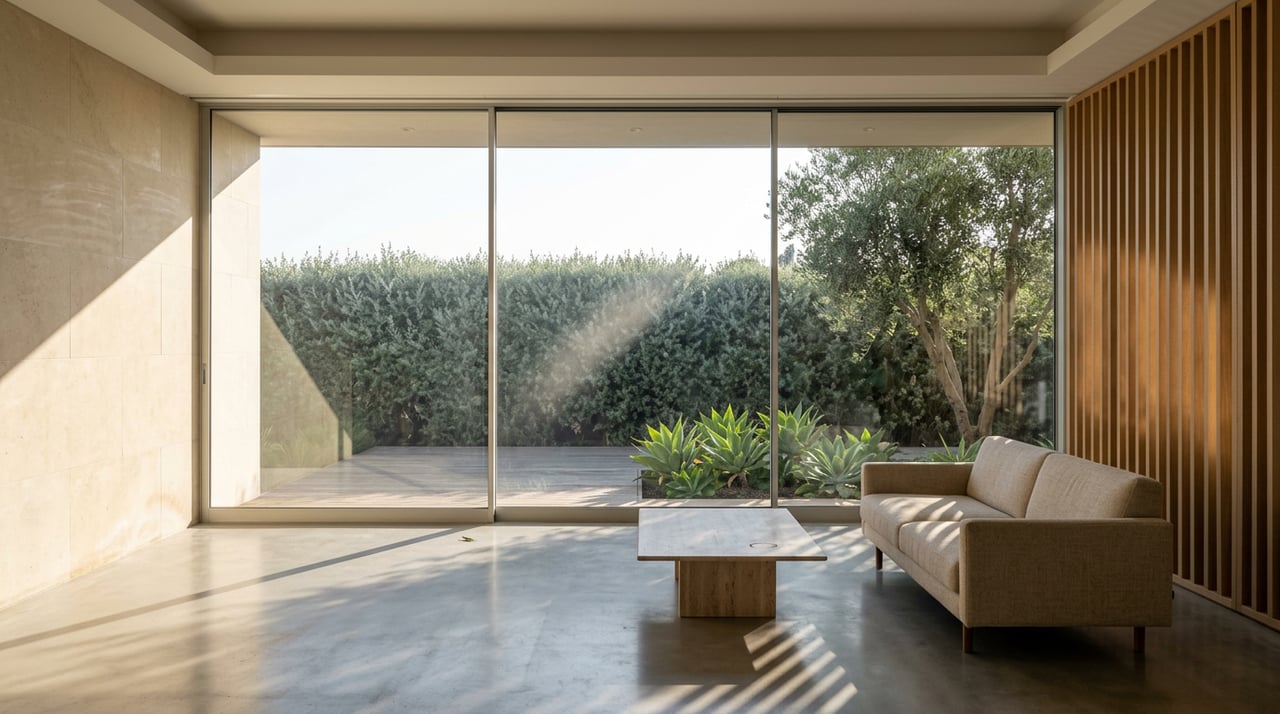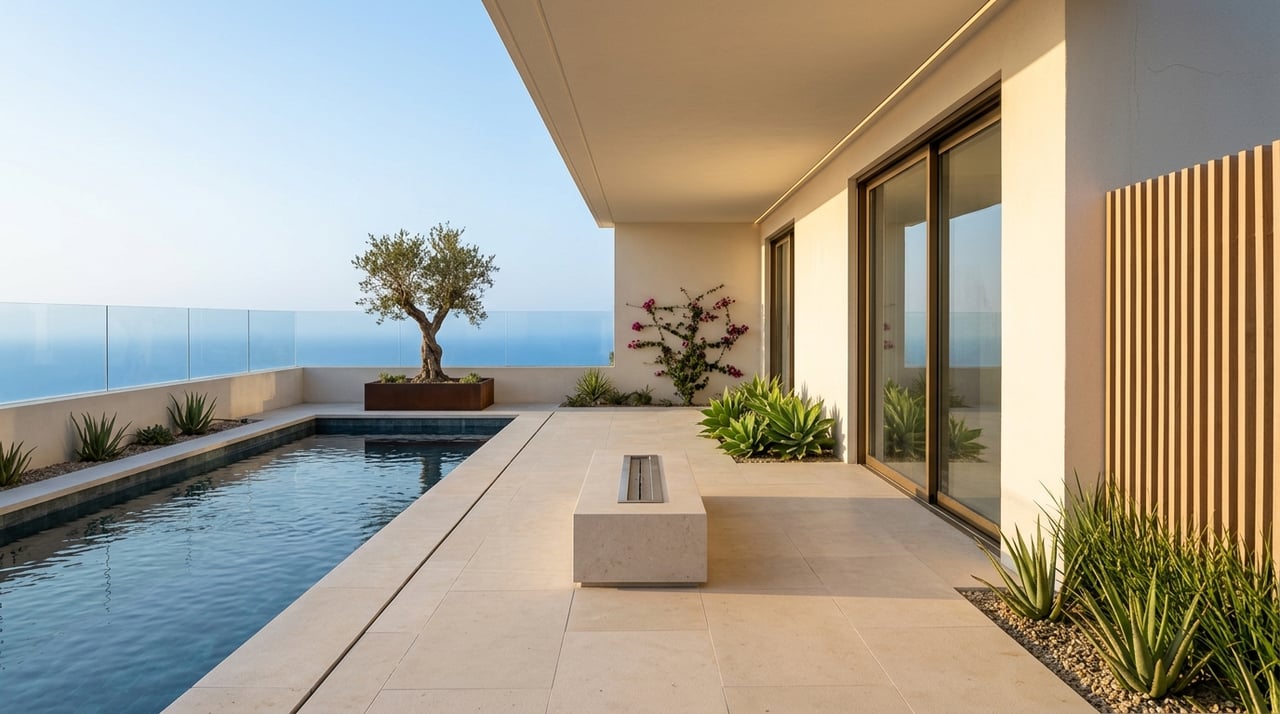
Choosing between oceanfront and hillside living in La Jolla is not just about views. In 92037, two homes can sit minutes apart and deliver completely different daily routines, privacy levels, and ownership considerations. If you are weighing both options, this guide will help you compare how each setting lives, what tradeoffs come with it, and which may fit your goals more closely. Let’s dive in.
Why La Jolla Feels So Varied
La Jolla is a compact coastal community of roughly 5,718 acres with about 32,000 residents, yet it offers a surprisingly wide range of living environments. The landscape includes rugged ocean bluffs, beaches, steep canyons, and hillsides that rise toward Mount Soledad.
That geography shapes the choice in a very real way. Oceanfront areas sit at beach level with direct proximity to the shoreline, while hillside enclaves sit higher on slopes and canyon edges above the coast. Since La Jolla is reported as about 99 percent built out, much of the area’s character is already established, and buyers are usually choosing between distinct micro-lifestyles rather than waiting for large new neighborhoods to emerge.
Oceanfront Living in La Jolla
Oceanfront living in La Jolla is about immediacy. You are closer to the beach, coastal parks, and some of the community’s best-known public spaces. For many buyers, that direct connection to the shoreline is the entire point.
The City describes La Jolla Cove as a small beach between sandstone cliffs and notes its role as a swimming, snorkeling, and scuba destination within the underwater park ecological reserve. At La Jolla Shores, Kellogg Park adds a large grassy park and the community’s only beachfront boat launch, though the parking lot is known to fill quickly on summer weekends.
What daily life feels like on the coast
If you want a home that supports beach walks, ocean access, and a stronger connection to the Village and shoreline activity, oceanfront locations can deliver that with very little friction. In practical terms, this is often the more walkable choice for daily recreation and coastal outings.
The tradeoff is that the same areas are also among the most public-facing parts of La Jolla. Visitors, parking pressure, and wildlife-related closures are part of normal life in some coastal zones. Point La Jolla, for example, has become a major sea lion viewing area and has required closures because of human-wildlife interactions.
Oceanfront architecture and character
La Jolla’s coast has a strong historic identity. The City’s digital archive identifies the Red Rest and Red Roost cottages at La Jolla Cove as rare surviving 1894 beach cottages, and the La Jolla Park Coastal Historic District includes Arts & Crafts Bungalow, Spanish Colonial Revival, California Ranch, and later modern resources.
That means oceanfront living can come with a broad architectural mix. You may see historic cottages, revival styles, midcentury influences, and taller coastal development in certain areas. For buyers, this creates visual richness, but it can also mean more variation in lot conditions, building eras, and renovation complexity.
Oceanfront ownership considerations
Coastal property ownership usually comes with more environmental exposure. FEMA coastal construction guidance notes that salt spray from breaking waves and onshore winds can significantly accelerate corrosion of metal connectors, which is one reason waterfront homes often require closer exterior monitoring.
There is also a more layered permitting environment near the shoreline. The City’s Coastal Overlay Zone guidance explains that the appealable area is generally between the first public roadway and the ocean, so oceanfront properties are more likely to encounter separate Coastal Development Permit review. The California Coastal Commission also says hazard analysis should address sea level rise where inundation, flooding, wave impacts, erosion, or saltwater intrusion may be relevant.
Hillside Living in La Jolla
Hillside living offers a different version of La Jolla luxury. Instead of putting the shoreline at your doorstep, it places you above it, often with more separation, broader outlooks, and a quieter residential rhythm.
In hillside areas, the terrain matters as much as the house itself. The City’s grading rules define steep hillsides using specific slope and elevation thresholds, and the Steep Hillside Guidelines require proposed development to conform to Environmentally Sensitive Lands regulations.
What daily life feels like uphill
If your priority is more privacy and a little more remove from visitor traffic, hillside living may feel more comfortable. Homes in these settings are often shaped by topography, with longer driveways, more stairs, terracing, and retaining walls.
That design reality changes daily life. You may rely more on a car, and the routine can feel less walk-out-to-the-beach and more retreat-oriented. For some buyers, that is a drawback. For others, it is exactly the appeal.
Hillside architecture and design
The architectural mix tends to shift uphill. The La Jolla Historical Society notes that La Jolla’s historic housing stock includes midcentury modern homes and California Ranch forms, while the City’s historical survey materials describe hillside areas as having post-war modern houses and modern-style properties.
This often makes hillside pockets a strong fit for custom view homes, ranch forms, midcentury modern residences, and contemporary homes designed to work with the land. The City’s guidelines favor structures that fit the natural contour of the site, including stepped or split-level designs, contour-following driveways, and minimized grading.
Hillside microclimate and atmosphere
There can also be subtle climate differences. A recent National Weather Service San Diego forecast discussion noted that marine-layer clouds can remain along beaches and immediate coastal areas while inland locations clear sooner.
In practical terms, higher hillside lots may experience that coastal cloud layer differently than homes right on the water. It is a small detail, but for some buyers, light, sun exposure, and morning marine influence are part of the quality-of-life equation.
Oceanfront vs Hillside: The Key Differences
When clients compare these two settings, the decision usually comes down to what kind of problem the home is solving. Oceanfront and hillside properties are both scarce in La Jolla, but they prioritize different things.
Feature | Oceanfront Living | Hillside Living |
|---|---|---|
Daily experience | Beach-centered and public-facing | Elevated, residential, and more removed |
Walkability | Stronger access to shoreline recreation and Village amenities | Often more car-oriented |
Privacy feel | Lower in visitor-heavy coastal corridors | Generally greater separation due to terrain |
Common tradeoffs | Visitors, parking pressure, coastal permitting, salt exposure | Stairs, driveways, grading, retaining walls |
Typical home styles | Historic cottages, Spanish Colonial Revival, California Ranch, modern coastal development | Midcentury modern, California Ranch, post-war modern, custom contemporary view homes |
Ownership focus | Exterior vigilance and shoreline-related review | Slope-sensitive design and grading considerations |
Which Setting Fits Your Goals?
Best fit for a primary residence
If you are buying a primary residence, start with how you want your day to function. Oceanfront living suits buyers who want regular beach access, coastal walks, and a more active connection to La Jolla’s shoreline environment.
Hillside living often suits buyers who want a calmer residential routine, broader views, and more separation from the public activity that comes with iconic coastal locations. If home is your retreat first and your recreation base second, uphill may be the stronger fit.
Best fit for a second home
For a second home, the decision is often lifestyle-first. If your goal is to arrive, walk to the coast, and step immediately into the La Jolla beach experience, oceanfront may feel more intuitive.
If your goal is a lock-and-leave style retreat with a more private feel and a stronger emphasis on outlook, architecture, and seclusion, hillside property can be very compelling. The right answer depends on whether you want immersion or distance.
What About Permitting and Property Changes?
This is one of the most important differences, especially for buyers considering renovation or redevelopment. La Jolla operates within a layered planning framework shaped by the La Jolla Community Plan and Local Coastal Program.
The La Jolla Community Planning Association notes that outside La Jolla Shores and the commercial areas of the Village and La Jolla Boulevard, zoning is generally the same as elsewhere in the City of San Diego. It also notes that La Jolla has two planned districts, including one covering commercial and multi-family development in the Village and along La Jolla Boulevard, and another covering commercial, visitor-serving, and residential areas in La Jolla Shores.
For oceanfront-adjacent properties, the planning environment is often more specialized because of the Coastal Overlay Zone and possible Coastal Development Permit review. For hillside properties, the focus often shifts toward grading, retaining walls, and slope-sensitive design. In either case, the lot itself can shape what is straightforward and what is not.
A Simple Decision Framework
If you are still undecided, use this lens:
- Choose oceanfront if you value daily beach access, easy shoreline recreation, and a more walkable coastal routine.
- Choose hillside if you value more separation, broader view orientation, and a quieter residential atmosphere.
- Pay close attention to property-specific constraints, especially if you plan to remodel, expand, or rebuild.
- Consider your tolerance for activity. Some buyers feel energized by public coastal life. Others want a home that sits above it.
- Think about ownership style. Oceanfront often demands more exterior vigilance, while hillside ownership often requires comfort with topography-driven design and access.
In La Jolla, there is no universal winner. There is only the setting that best aligns with how you want to live.
If you want help evaluating a specific street, bluffside position, or hillside parcel in 92037, a precise local review matters. The most successful purchases here are usually the ones made with clear eyes about lifestyle, terrain, and future property constraints.
For discreet guidance on La Jolla oceanfront and hillside opportunities, connect with Yoanny Jose for a private consultation.
FAQs
How walkable is oceanfront living in La Jolla?
- Oceanfront living is generally more walkable for beach access, shoreline recreation, and connection to coastal areas like the Village, Cove, and Shores.
How walkable is hillside living in La Jolla?
- Hillside living is often less walkable in daily life because of elevation, longer driveways, stairs, and a more car-oriented routine.
How much privacy does a hillside home in La Jolla usually offer?
- Hillside homes often provide more separation from visitor-heavy coastal areas because of their elevation and terrain, though privacy still depends on the specific lot and surrounding homes.
What home styles are common in oceanfront La Jolla?
- Oceanfront areas include a mix of historic beach cottages, Arts & Crafts Bungalow, Spanish Colonial Revival, California Ranch, and later modern coastal development.
What home styles are common in La Jolla hillside areas?
- Hillside areas often feature midcentury modern, California Ranch, post-war modern, and custom contemporary homes designed to work with the natural slope.
What permitting issues should buyers expect for oceanfront property in La Jolla?
- Oceanfront properties are more likely to involve Coastal Overlay Zone review and may require a Coastal Development Permit, especially in areas between the first public roadway and the ocean.
What permitting issues should buyers expect for hillside property in La Jolla?
- Hillside properties often involve grading, retaining walls, and slope-sensitive design review under the City’s steep hillside and environmentally sensitive land rules.
Is oceanfront or hillside living better for a primary residence in La Jolla?
- Oceanfront may suit a primary residence focused on beach access and coastal activity, while hillside may suit a primary residence centered on privacy, views, and a quieter residential rhythm.
Is oceanfront or hillside living better for a second home in La Jolla?
- Oceanfront can be a strong fit if you want immediate coastal immersion, while hillside may be better if you want a more secluded retreat-oriented experience.
About Yoanny Jose
Yoanny Jose is a San Diego Coastal Luxury Real Estate Advisor specializing in La Jolla, Del Mar, Coronado, Rancho Santa Fe, Point Loma, and San Diego's most prestigious coastal communities. She advises buyers, sellers, investors, and international clients with strategic market insight and personalized representation.